


Table of Contents
- Why Indigenous Art Is Expensive: The Core Factors
- Understanding the Indigenous Art Code and Authenticity Standards
- How to Identify Authentic Aboriginal Art and Distinguish Styles
- Investment Potential and Long-Term Value
Last Updated: August 29, 2026
Why Indigenous Art Is Expensive: The Core Factors
Indigenous art is expensive because authentic works embed cultural knowledge within patterns, symbols, and creation methods that distinguish them from mass-produced alternatives. Each piece communicates stories, connection to Country, and artistic lineage, it's a visual language, not decoration. When you purchase genuine Indigenous art, you're investing in cultural preservation and direct artist compensation.
Canvas size and artistic detail significantly influence pricing. Larger works require more materials, time, and technical skill. A small piece might take weeks to complete, while a major canvas could demand months of meticulous labour (peer-reviewed research). The precision of dot work, pattern layering, and colour gradation all contribute to final cost.
Artist reputation matters considerably. Established artists with recognised standing command higher prices because their work has demonstrated collectability and lasting value. Emerging artists typically price work more accessibly, though pieces can appreciate significantly as their merit becomes more widely acknowledged.
Understanding the Indigenous Art Code and Authenticity Standards
Authenticity hinges on the Indigenous Art Code, a self-regulatory framework protecting both artists and buyers (aiatsis.gov.au). This code ensures artwork labelled as Indigenous is genuinely created by Indigenous artists and that cultural knowledge is respected throughout production.
The code requires transparency about artist identity, artwork origin, and the story behind the piece (aiatsis.gov.au). Code-compliant work guarantees the artist has been fairly compensated and cultural significance honoured, adding legitimate value.
Provenance, the documented history of ownership and creation, is essential. Works with clear provenance command premium prices because buyers can verify authenticity and trace pieces back to original artists. Without provenance, even visually stunning work loses significant market value.
Fair compensation through the supply chain is a cornerstone of the code. Artists receive payment for creative labour and ongoing royalties when licensed designs appear on products. This structure ensures cultural knowledge isn't extracted without return, which is why authentic pieces cost more than knockoffs.
How to Identify Authentic Aboriginal Art and Distinguish Styles
Genuine work displays consistent artistic technique, meaningful cultural symbolism, and evidence of the artist's hand throughout. Look for depth in brushwork or dot application, authentic pieces show variation and intentionality rather than mechanical repetition.
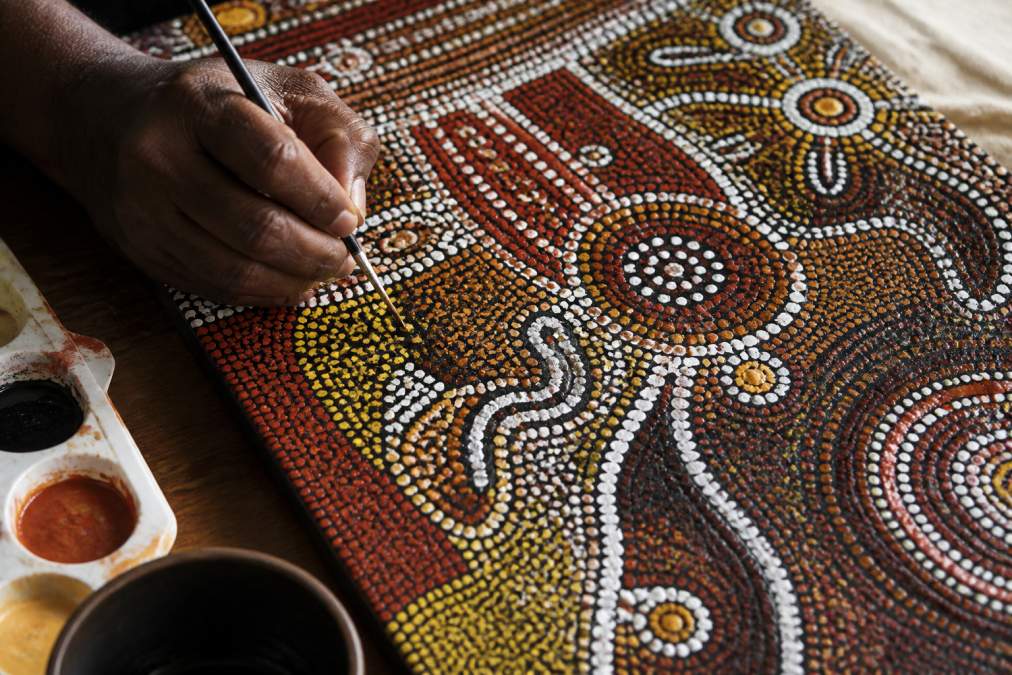
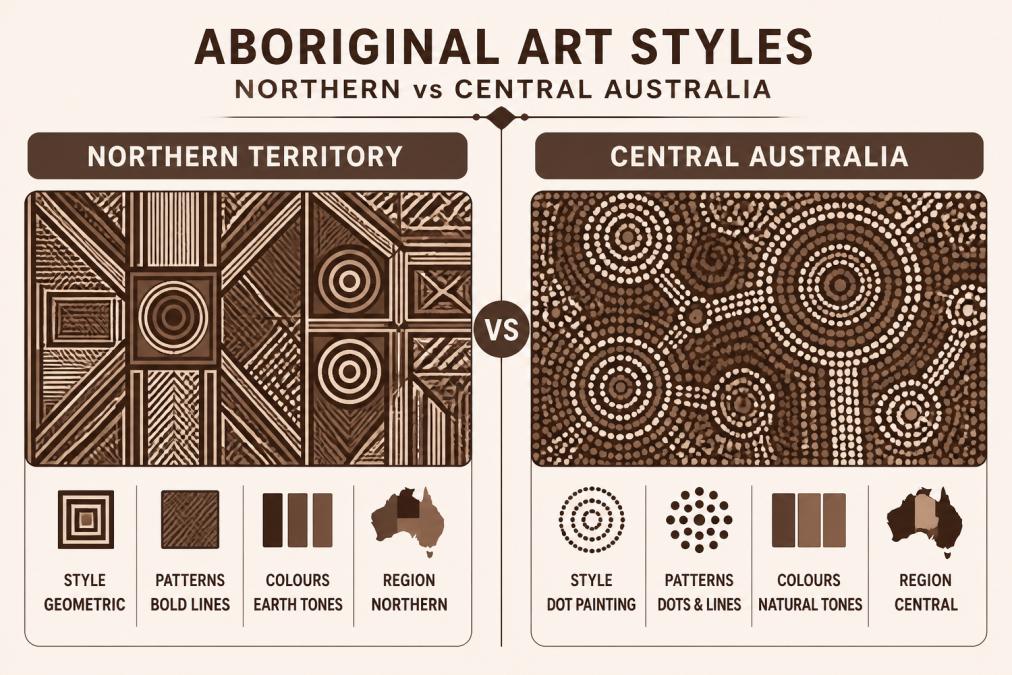
Aboriginal art styles vary significantly by region. Northern styles often feature bold geometric patterns and connection to saltwater Country, while Central Australian traditions emphasise dot painting and desert landscape narratives. Each style reflects the artist's connection to specific Country and ancestral knowledge systems.
Supporting Indigenous artists directly means understanding where your purchase goes. When you buy from retailers like Dreamtimez Australia that license designs directly from creators, you ensure artists receive fair compensation.
Investment Potential and Long-Term Value
Indigenous art has demonstrated strong investment potential over time. Pieces by established artists appreciate as their artistic legacy grows and international recognition increases. The secondary market shows consistent demand from buyers seeking both aesthetic value and cultural significance.
What distinguishes investment-grade Indigenous art from decorative pieces is documented artistic merit, exhibition history, and market demand. Works appearing in galleries or acquired by institutions tend to appreciate more reliably.
The ethical dimension of collecting Indigenous art adds intangible value. Knowing your purchase supports remote communities, preserves cultural knowledge, and contributes to fair artist compensation creates meaning beyond aesthetics. This alignment between personal values and artistic acquisition increasingly influences buyer decisions and strengthens long-term appreciation.
Frequently Asked Questions
What is the Indigenous Art Code and why does it matter?
The Indigenous Art Code is a voluntary ethical standard that guides the authentic and respectful production and sale of Indigenous art. It ensures artists receive fair compensation, cultural knowledge is respected, and products genuinely honour the creator's intentions. When purchasing Indigenous art, checking for Code compliance signals that you're supporting ethical practices and authentic cultural expression rather than commercialised reproductions.
How can I tell if Indigenous art is authentic?
Authentic Aboriginal art typically includes artist provenance, documentation of the creator's background, and adherence to the Indigenous Art Code. Look for licensing agreements, artist signatures, and detailed information about the artwork's cultural significance and story. Reputable sellers provide certificates of authenticity and clear records of the artist's career trajectory. Be cautious of mass-produced items lacking artist attribution or cultural context.
Is Indigenous art a good investment?
Investment-grade Indigenous art from established artists with strong market demand and documented provenance can appreciate over time. The secondary market for authentic pieces has shown growth as collectors recognise the artistic merit and cultural significance. However, investment success depends on the artist's reputation, historical context, and authenticity. Purchase art you genuinely appreciate first; financial appreciation should be a secondary consideration.
Investing in authentic Indigenous art means choosing pieces that honour both the artist and their cultural heritage. When you select work from ethically sourced retailers that maintain direct relationships with creators, you're making a decision that extends far beyond home decoration, you're participating in cultural preservation and economic support for Indigenous communities.
This article was written using GrandRanker