


Table of Contents
- Understanding Cultural Appropriation vs. Appreciation in Design
- How to Identify Fake Indigenous Art and Ensure Authenticity
- Authentic Aboriginal Art Home Decor: Respecting Cultural Protocols
- Indigenous Cultural Protocols in Design: A Practical Checklist
- Frequently Asked Questions
Last Updated: August 31, 2026
Understanding Cultural Appropriation vs. Appreciation in Design
Cultural appropriation and cultural appreciation are fundamentally different approaches to engaging with Indigenous art and design. Appreciation involves genuine respect for the culture, direct support of the artists, and understanding the significance behind the work. Appropriation, by contrast, extracts cultural elements without permission, removes them from their original context, and often profits from them without benefiting the creators.
The distinction matters most when you're decorating your home. A piece of authentic Aboriginal art displayed with understanding of its cultural significance and purchased directly from Indigenous artists represents appreciation. Mass-produced imitations or designs inspired by Indigenous aesthetics without artist involvement or compensation represent appropriation.
At Dreamtimez Australia, this distinction shapes ethical home decor choices. When you buy directly from Indigenous-led businesses that license designs from artists, you're participating in cultural exchange that respects both the art form and the people who created it. The difference comes down to three elements: permission, understanding, and fair compensation.
How to Identify Fake Indigenous Art and Ensure Authenticity
Counterfeit Indigenous art is widespread, particularly in mass-market home decor (peer-reviewed research). Learning to spot fakes protects both your integrity as a consumer and the livelihoods of genuine artists.
Authentic Indigenous art typically includes artist attribution and provenance information (aiatsis.gov.au). Look for the creator's name, their community or language group, and details about the design's cultural significance. Legitimate retailers provide this documentation.
Mass-produced imitations often lack these details or feature generic descriptions like "inspired by Aboriginal designs." Real Indigenous art comes with a story: which artist created it, what it represents, and sometimes the specific cultural protocols involved in its creation. Ask retailers for this information. If they can't provide it, the piece likely isn't authentic.
Price is another indicator. Authentic Indigenous art costs more because artists are paid fairly for their work. If a piece seems too inexpensive compared to similar items from verified Indigenous creators, it's probably not genuine.
Authentic Aboriginal Art Home Decor: Respecting Cultural Protocols
Displaying Indigenous art in your home requires understanding the cultural protocols that govern it. Some designs carry sacred significance and shouldn't be displayed in certain spaces or ways (creativespirits.info). Others have specific meanings tied to seasons, ceremonies, or spiritual practices.
Before purchasing, research the design's cultural context. Ask the retailer or artist directly about appropriate placement and use. Some pieces work best in living spaces, whilst others are meant for specific purposes. Respecting these protocols isn't just about avoiding offense, it's about honouring the artist's intent and the culture the work represents.
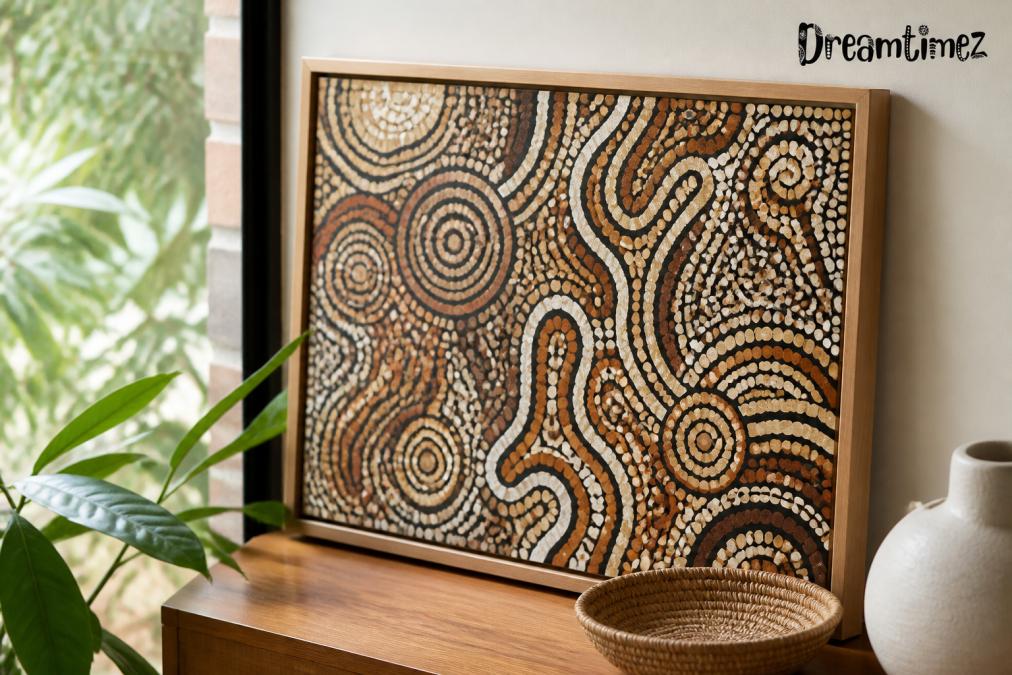
Many homeowners worry that Indigenous art won't suit their aesthetic. In practice, authentic pieces integrate beautifully into diverse design styles because they're created by skilled artisans who understand colour, composition, and form. The key is choosing pieces you genuinely love rather than treating them as trend-driven purchases.
Indigenous Cultural Protocols in Design: A Practical Checklist
Use this checklist when evaluating decor items for cultural appropriateness:
- Can you name the artist or confirm the design comes from an Indigenous-led business?
- Does the retailer provide information about the design's cultural significance?
- Is the artist or Indigenous community receiving fair compensation?
- Are you purchasing the piece because you genuinely appreciate it, not because it's fashionable?
- Have you researched any cultural protocols about how the design should be displayed?
- Does the product avoid stereotypes or reductive representations of Indigenous cultures?
- Is the business transparent about its sourcing and artist relationships?
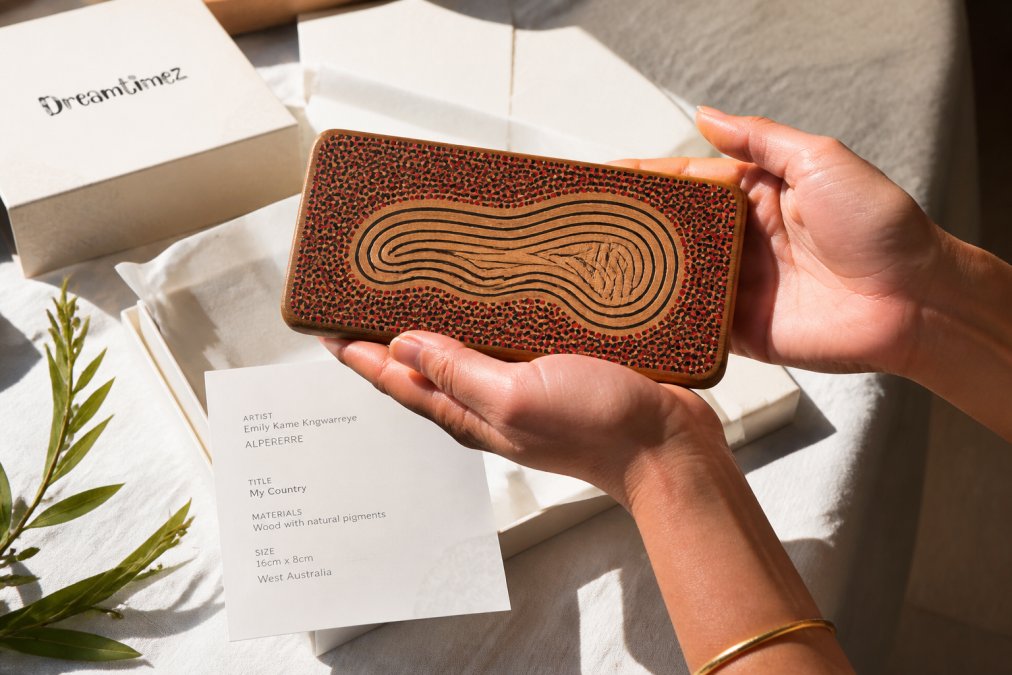
The most important step is asking questions. Legitimate retailers welcome inquiries about artist identity, compensation, and cultural significance. If a business can't or won't answer these questions, that's a clear signal to shop elsewhere.
Avoiding cultural appropriation in decor ultimately comes down to intentionality. Choose pieces because you understand and respect them, not because they fit a trend. Support businesses that prioritize artist relationships and transparent sourcing. When you approach home decoration this way, your space becomes a genuine reflection of appreciation rather than extraction.
Frequently Asked Questions
What is the difference between cultural appreciation and cultural appropriation in home decor?
Cultural appreciation means learning about and respecting Indigenous art with permission and understanding its significance. You acknowledge the artist's cultural heritage and support them directly. Cultural appropriation occurs when designs are used without consent, their meaning is distorted, or they become commodified without benefiting the creators. The key difference lies in power dynamics, consent, and whether the community benefits from the exchange.
How can I ensure the authentic aboriginal art home decor I buy actually supports Indigenous artists?
Purchase directly from Indigenous-led businesses or platforms that license designs from artists and pay ongoing royalties. Ask for provenance documentation showing the artist's name and community. Verify the seller's commitment to fair compensation. Avoid mass-produced items claiming Indigenous design without clear artist attribution. Authentic pieces will include information about the creator and how your purchase supports them.
What should I look for to identify fake Indigenous art versus authentic pieces?
Authentic Indigenous art includes artist attribution, cultural significance explanation, and provenance information. Counterfeit art often uses generic 'tribal' aesthetics without specific cultural context, lacks artist details, or appears mass-produced. Check whether the seller is Indigenous-owned or has direct licensing agreements with artists. Real artisan-made pieces show craftsmanship variation, while fakes display uniform, industrial production. Ask sellers directly about their sourcing practices and artist relationships.
Decorating ethically means understanding the stories behind the pieces you choose. Dreamtimez Australia connects you directly with Indigenous artists through authentic, licensed designs that ensure creators receive fair compensation. Explore our collection of home and fashion items that celebrate Aboriginal art whilst supporting both artists and the Royal Flying Doctor Service through every purchase.
This article was written using GrandRanker