


Table of Contents
- 1. Buy Authentic Art: Where to Buy Aboriginal Art Online
- 2. Follow the Indigenous Art Code for Ethical Purchasing of Indigenous Art
- 3. Support Indigenous Artists in 2026: Beyond the Purchase
- Frequently Asked Questions
Last Updated: September 16, 2026
1. Buy Authentic Art: Where to Buy Aboriginal Art Online
The most direct way to support indigenous artists in 2026 is buying through channels that pay them properly.
- Artist-run and community-owned art centres return income to the community and often sell online.
- Licensed product ranges pay ongoing royalties beyond a single sale.
- Marketplace listings vary in provenance, so check who made the piece.
Don't assume every product labelled "Aboriginal design" was made or licensed by an Aboriginal artist. Ask for the artist's name, community or art centre, and how royalties are paid, if a seller can't answer, walk away.
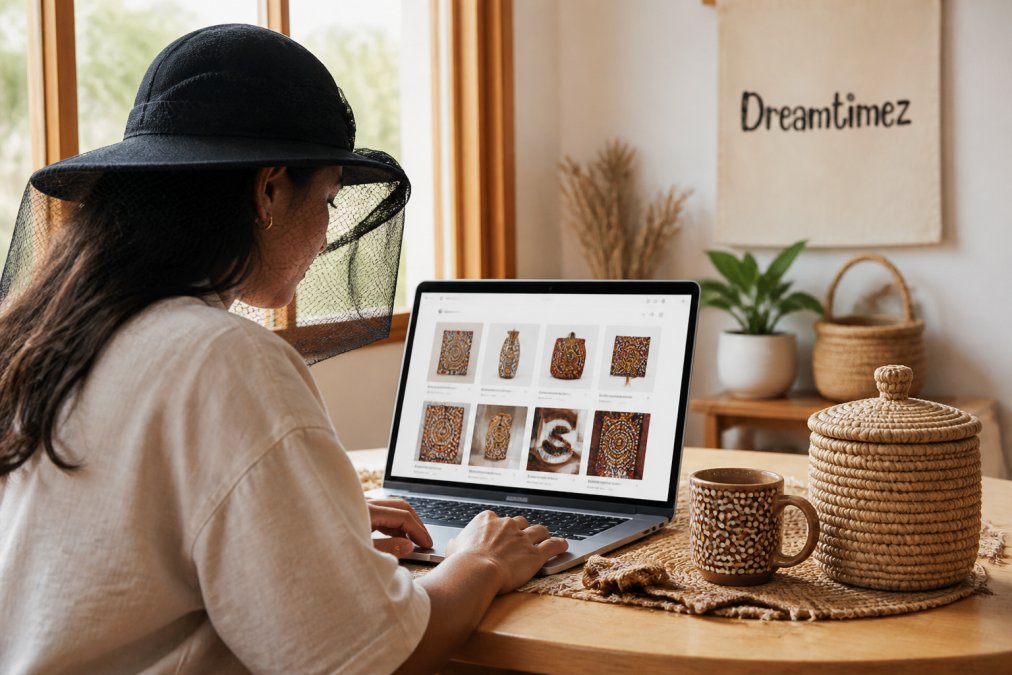
2. Follow the Indigenous Art Code for Ethical Purchasing of Indigenous Art
Ethical purchasing starts with the Indigenous Art Code, a voluntary industry code setting standards for fair, transparent dealing (What Is The Code | Indigenous Art Code). Signatories commit to clear written agreements, honest representation of where and by whom a work was made, and payment terms that do not exploit the artist.
| What to Check | Why It Matters | What Good Looks Like |
|---|---|---|
| Artist named | Confirms a real person made or licensed the work | Full name and community stated |
| Provenance | Shows where the work came from | Art centre or licence agreement cited |
| Payment terms | Determines whether the artist is paid fairly | Royalties or agreed fee on every sale |
| Code signatory | Signals a commitment to fair dealing | Listed as an Indigenous Art Code signatory |
Beyond the purchase, five moves keep money and opportunity flowing to First Nations creators:
- Buy authentic, licensed work rather than mass-produced imitations.
- Check for Indigenous Art Code signatories before you spend.
- Share the artist's story and name when you display or gift the piece.
- Back grant funding and multi-year funding campaigns that keep art centres running.
- Offer your skills, digital literacy, bookkeeping, or mentorship.
3. Support Indigenous Artists in 2026: Beyond the Purchase
When you support indigenous artists beyond the checkout, you build industry sustainability rather than a one-off sale.
- Advocate for cultural preservation and reclamation. Back initiatives that return language, stories, and designs to their communities.
- Fund the pathways. Grant funding, multi-year funding, and operational support keep emerging artists in studios and art centres open.
- Show up. Exhibitions, showcase events, and community engagement put money in artists' pockets and build audiences.
- Open doors. Networking, collaboration, and professional development help artists reach new markets.
- Mentor beyond formal programs. Informal guidance on pricing, contracts, and online selling is often what an emerging artist needs most.
- Build digital literacy. Help an artist set up an online marketplace listing or photograph their work properly.
Frequently Asked Questions
How can I ensure my purchase of Indigenous art is ethical?
Check whether the seller follows the Indigenous Art Code, which requires transparent royalties and fair payment to artists. Ask where the design came from and who benefits from the sale. Buying from licensed, Australian-owned businesses that pay ongoing royalties helps ensure your money reaches the artists and their communities.
What is the Indigenous Art Code and why does it matter?
The Indigenous Art Code is a voluntary industry code that sets standards for fair and ethical trade in Indigenous art. It requires dealers to be transparent about royalties, avoid misleading buyers, and respect artists' cultural rights. Choosing sellers who follow the Code is one of the simplest ways to protect artists from exploitation.
What are some ways to support Indigenous Australians beyond buying art?
Share artists' stories on social media, attend exhibitions, and recommend ethical sellers to friends. You can also support community initiatives and buy from businesses that donate to causes such as the Royal Flying Doctor Service. These actions build long-term visibility and income for First Nations artists.
Supporting Indigenous artists asks more of us than a single purchase, and that is exactly why it matters. Dreamtimez Australia licenses authentic Aboriginal artwork directly from Indigenous artists, pays ongoing royalties on every sale, and donates part proceeds from every Fly Net Hat to the Royal Flying Doctor Service. Every piece carries a real artist's story, from fashion and homewares to dining essentials. Pre-order now and wear their art with pride.