


Table of Contents
- Why Supporting Indigenous Artists Through Shopping Matters
- How to Identify Authentic Indigenous Art
- Indigenous Art Licensing Explained
- Where to Buy Aboriginal Art Online
Why Supporting Indigenous Artists Through Shopping Matters
When you choose to support indigenous artists through shopping, you're participating in cultural preservation and ensuring that traditional knowledge and artistic practices survive for future generations. Indigenous communities have created extraordinary visual arts for thousands of years, yet these artists have faced systemic barriers: limited market access, exploitation by middlemen, and cultural appropriation.
The difference between buying from an authenticated Indigenous artist and purchasing mass-produced "inspired-by" alternatives is profound. Direct purchases create economic sustainability for artists and their families while validating artistic integrity. At Dreamtimez Australia, designs are licensed directly from artists, ensuring ongoing support flows to creators.
This guide walks you through how to support indigenous artists through shopping with confidence, knowing your purchases genuinely honour the artists and their communities.
How to Identify Authentic Indigenous Art
Authentic Indigenous art carries provenance, intention, and artist attribution. The first step in supporting indigenous artists is learning to distinguish genuine work from cultural appropriation or mass-produced imitations.
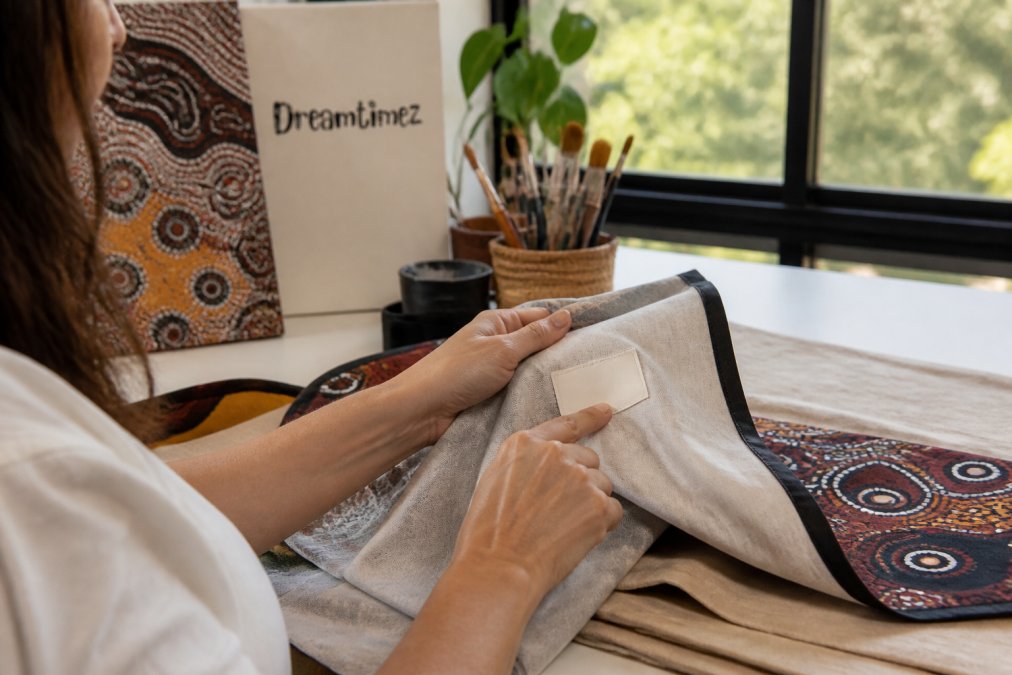
Look for clear artist attribution and biographical information. Legitimate Indigenous art products include the creator's name, language group or community affiliation, and a statement about the artwork's cultural significance. If a product offers no attribution or vague descriptions like "inspired by Aboriginal designs," it's likely not supporting the actual artist.
Verify the seller's commitment to ethical sourcing. Reputable retailers have transparent supply chains and can explain exactly how designs were licensed and how artists benefit from sales. Ask direct questions: Who created this work? What community are they from? How are royalties structured?
Check for certifications or partnerships with art centers and collectives. Many Indigenous art centers operate as community-led organisations that authenticate and represent multiple artists, ensuring creators maintain control over their intellectual property. A product backed by a recognised art center carries stronger authenticity signals.
Examine the quality and craftsmanship. Handcrafted Indigenous art typically shows evidence of skilled labour, precise stitching, and careful colour work. Mass-produced imitations often cut corners on detail. Be cautious of pricing that seems too low, authentic Indigenous art reflects the time, skill, and cultural knowledge invested in its creation.
Indigenous Art Licensing Explained
Understanding how Indigenous art licensing works helps you make purchases that genuinely support creators rather than exploit their intellectual property.
Licensing is the legal agreement between an artist and a business that grants permission to use the artist's designs on products in exchange for compensation. When done ethically, licensing ensures the artist retains ownership of their work while receiving ongoing payment each time a product sells.
Legitimate licensing agreements include several key components. The artist grants permission for specific uses but retains ownership of the design. The agreement specifies which products can carry the design and which cannot, preventing inappropriate use. Most importantly, it includes a royalty structure that flows directly to the artist on an ongoing basis.
Best-practice licensing also includes cultural consultation. Artists or their communities may specify how designs should be presented and whether certain sacred designs are off-limits for commercial use. This protects the cultural integrity of the work.
When you purchase from a retailer that licenses designs properly, you're supporting a sustainable model. Rather than a one-time payment, licensing creates recurring income for artists. Ask retailers about their licensing agreements and whether they can provide evidence of ongoing royalty payments.
Where to Buy Aboriginal Art Online
Finding the right retailer is essential to ensuring your support reaches Indigenous artists and their communities.
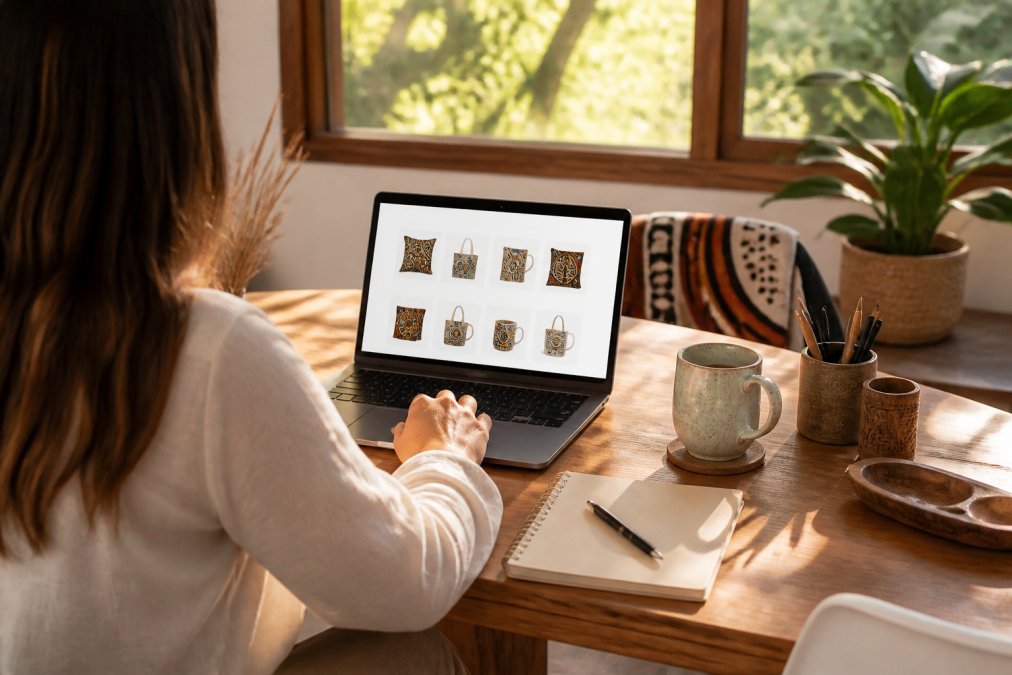
Direct-to-artist platforms and artist-owned websites offer the strongest guarantee that your money supports creators. Many Indigenous artists now sell directly through their own websites or community art center platforms, eliminating middlemen.
Art centers and collectives operate as community-led organisations that represent multiple artists and handle sales, licensing, and royalty distribution. These institutions provide accountability and authentication that individual retailers cannot.
Ethical e-commerce retailers specialising in Indigenous products have curated collections and transparent sourcing practices. Dreamtimez Australia exemplifies this approach, products are licensed directly from Indigenous artists, with ongoing royalties paid to creators, and part proceeds from Fly Net Hat purchases support the Royal Flying Doctor Service.
Mainstream retailers increasingly stock Indigenous art products, but quality and authenticity vary dramatically. If shopping through larger platforms, scrutinise product descriptions carefully for artist attribution, community affiliation, and clear licensing statements.
Avoid marketplaces where sellers are anonymous or provide minimal product information. If you cannot identify the artist or verify licensing, the purchase likely doesn't support Indigenous creators meaningfully.
Supporting indigenous artists through shopping is a tangible way to contribute to cultural preservation, economic sustainability, and artistic integrity. By learning to identify authentic work, understanding how licensing protects artists, and choosing retailers committed to ethical practices, you transform each purchase into meaningful support. Dreamtimez Australia demonstrates how this commitment works in practice, curating authentic Indigenous designs, licensing directly from artists, and ensuring that every product reflects genuine partnership with creators and their communities.
Frequently Asked Questions
How can I ensure the Indigenous art I buy is authentic?
Authentic Indigenous art includes clear artist attribution, licensing agreements, and direct links to the creator or their community. Ask retailers for provenance documentation and artist names. Look for certifications from art centers and collectives. Avoid products with vague descriptions like 'inspired by' or generic 'Aboriginal design' labels without specific artist or community identification. Genuine retailers openly share how artists are compensated and will provide this information upon request.
What does Indigenous art licensing mean and why does it matter?
Licensing is a formal agreement that allows retailers to use an artist's designs on products while ensuring the creator retains intellectual property rights and receives ongoing compensation. This protects artists from misappropriation and cultural appropriation. When you buy licensed Indigenous art, you're supporting a system where artists maintain control over their work and benefit directly from each sale. Licensed designs come with documentation showing the artist's name, community, and the terms of use.
Why should I pay more for authentic Indigenous art instead of cheaper alternatives?
Higher prices reflect genuine artist compensation, ethical production practices, and cultural integrity. When you support Indigenous artists through fair-trade purchases, your money funds not just the product but community development, cultural preservation, and artist livelihoods. Cheaper mass-produced alternatives often involve no artist benefit and may involve cultural misappropriation. Authentic pieces are handcrafted or designed by real artists, ensuring quality, uniqueness, and meaningful impact on communities.
How do I know if a retailer is truly supporting Indigenous artists?
Ethical retailers transparently display artist names, community affiliations, and licensing terms. They explain how compensation works and provide direct links to artists or art centers. Look for partnerships with established Indigenous art centers and collectives. Ask retailers specific questions about artist involvement and community benefit. Legitimate businesses welcome these questions and provide detailed answers. Avoid retailers who use Indigenous imagery without crediting creators or who cannot explain their sourcing practices.
This article was written using GrandRanker