


Table of Contents
- Is Buying Indigenous Art a Good Investment? The Honest Verdict
- How to Choose Aboriginal Art as an Investment
- Is Aboriginal Art Worth Anything? Valuation, Provenance and Resale
- Ethical Indigenous Art Buying: Due Diligence That Protects You
- Indigenous Art Investment Risks and the Alternatives
- Frequently Asked Questions
Last Updated: October 18, 2026
Is Buying Indigenous Art a Good Investment? The Honest Verdict
Buying Indigenous art is a poor short-term investment and a reasonable long-term one only for careful buyers who pay fairly and hold for years. Art is illiquid: buyers are few and the retail-to-resale gap is wide. Still, Indigenous art carries cultural weight and daily pleasure a share portfolio never will.
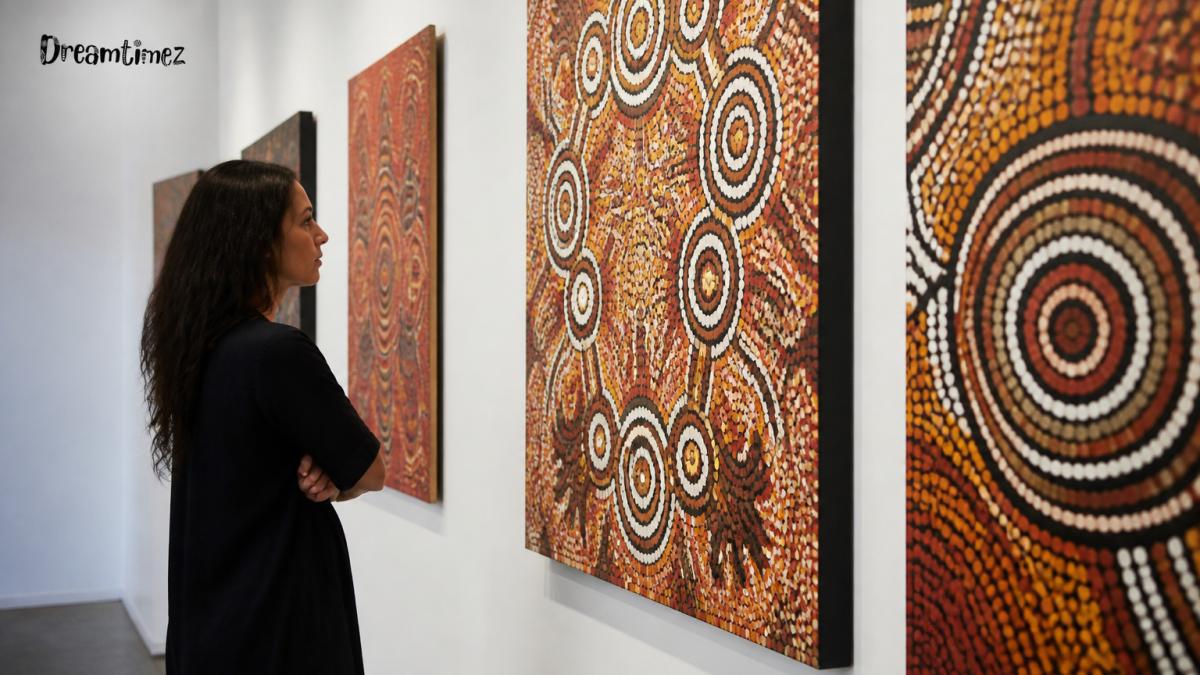
How to Choose Aboriginal Art as an Investment
Choosing Aboriginal art as an investment comes down to four filters: the artist's standing, quality and originality, documentation, and resale potential. An established artist with documented exhibitions and auction records has a checkable track record; an emerging artist offers more upside but higher risk. Originality matters more than size, and a certificate of authenticity naming the artist, community, title and year is the baseline. Finally, ask who would buy this from you; if you can't name them, you're buying decoration, not an asset.
Is Aboriginal Art Worth Anything? Valuation, Provenance and Resale
Aboriginal art is worth whatever an informed buyer will pay on the day, there is no single market price. Valuation rests on comparable sales: auction results for the same artist, ideally from a similar period and scale. The resale market for most contemporary Indigenous works is thin, and retail purchases often sell at auction for less than the buyer paid. Framing, insurance, conservation and commissions eat into any return, so the true total cost of ownership is higher than the sticker price.
Australia Council for the Arts research and resources publishes useful context on the visual arts sector and how Aboriginal and Torres Strait Islander artists are represented within it.
Ethical Indigenous Art Buying: Due Diligence That Protects You
Ethical buying protects both the artist and your money. Buy from an art centre or a reputable seller with a documented relationship to the artist; a dealer who cannot name the artist's community is a risk. Ask directly how the artist benefits. Licensing that pays ongoing royalties, rather than a one-off fee, keeps value flowing to the creator, the model Dreamtimez Australia works on, licensing designs directly from Indigenous artists with ongoing royalties paid to the creators.
Cultural rights matter as much as paperwork: some imagery is restricted and some stories are not meant to be sold at all. Before you buy, confirm the seller names the artist and community, provides a certificate of authenticity, explains how the artist is paid, documents provenance and respects cultural restrictions.
IP Australia guidance on Indigenous knowledge and cultural expression explains the intellectual property framework that sits behind authentic licensing arrangements.
Indigenous Art Investment Risks and the Alternatives
The biggest Aboriginal art investment risks are illiquidity, uncertain returns, authenticity failures and fashion. Compare art with conventional assets and the trade-offs become clear:
| Consideration | Indigenous art | Shares or managed funds | Savings account |
|---|---|---|---|
| Liquidity | Low, sale can take months | High, sold in minutes | High |
| Income while held | None | Dividends or distributions | Interest |
| Cultural value | High | None | None |
Art earns its place through meaning and enjoyment, not liquidity or income.
Australian Securities and Investments Commission guidance on investing is a sensible starting point for anyone weighing art against mainstream investments.
Frequently Asked Questions
Is buying Indigenous art a good investment?
It can be, but not reliably. Works by established artists with strong auction records and clear provenance have resale value, while emerging artists and reproductions rarely appreciate. Most advisers suggest buying because you love the piece first. Treat any financial return as a bonus rather than a plan. Indigenous art investment risks include thin resale markets, authentication disputes and high transaction costs, so spread any art spending across pieces you genuinely want to live with.
Is Aboriginal art worth anything?
Yes, major works by recognised artists sell at auction for significant sums, and there is a genuine secondary market. But value is not uniform. It depends on the artist's reputation, career stage, the work's quality and originality, its cultural significance, condition and documented provenance. Smaller pieces and prints hold modest resale value. Before buying, ask for a certificate of authenticity and check whether the seller can show the work's exhibition and ownership history.
How can you check whether Indigenous art is authentic?
Start with the certificate of authenticity and provenance record. A legitimate certificate names the artist, the work, the date and the seller, and ideally the art centre or licence arrangement. Ask how the artist is paid and whether royalties continue on resale. Buy from art centres, licensed galleries or brands that deal directly with artists. If the price seems far below market for a named artist, or the paperwork is vague, walk away.
The challenge is simple: most art buyers never check provenance, never ask how the artist is paid, and never plan for resale. You can do better. Dreamtimez Australia licenses authentic Indigenous artwork directly from artists, pays ongoing royalties on every sale, and donates part proceeds from every Fly Net Hat to the Royal Flying Doctor Service. Start with a piece you love, from an artist you can name, and let the story be the return. Pre-order now and wear their art with pride.