


Table of Contents
- Why Bulurru Alternatives Matter for Authentic Aboriginal Art
- Understanding the Indigenous Art Code
- Finding Authentic Aboriginal Art Online
- Indigenous-Owned Art Businesses Worth Supporting
Last Updated: August 11, 2026
Why Bulurru Alternatives Matter for Authentic Aboriginal Art
When you're shopping for Aboriginal art, you're deciding whether your money flows directly to the artists who created the work, or gets siphoned through middlemen. That distinction matters enormously, and it's exactly why understanding bulurru alternatives for Aboriginal art has become essential for conscious consumers.
The term "bulurru" refers to certain commercial Aboriginal art products that, while visually striking, often don't deliver fair compensation to the artists behind them. Some operate through licensing structures that blur the line between authentic artist support and opportunistic reproduction. Others source designs without proper artist consent or ongoing royalty agreements. The result: beautiful art that doesn't actually support the communities it claims to represent.
Dreamtimez Australia has built its entire model around solving this problem. By licensing designs directly from Indigenous artists and paying ongoing royalties on every sale, they've created a transparent alternative to the murky middle ground where most Aboriginal art commerce happens. Understanding what makes a bulurru alternative for Aboriginal art genuinely ethical requires knowing which organisations actually protect artist interests.
Understanding the Indigenous Art Code
The Indigenous Art Code is the industry's voluntary ethical standard for Aboriginal art dealing. When a dealer displays the Indigenous Art Code certificate, they're pledging to transparent practices: artists receive fair payment, artwork provenance is documented, no fake or misattributed art is sold, and disputes can be escalated through a formal complaints process.
The code's real power lies in what it prevents. Unethical dealers have historically used vague sourcing claims ("traditional Aboriginal design") to sell mass-produced items with minimal artist benefit. The Indigenous Art Code forces transparency: if you're selling Aboriginal art, you must disclose who created it, how they were compensated, and whether the work is original or licensed reproduction.
However, the code is voluntary. Not all dealers are signatories. When evaluating a bulurru alternative for Aboriginal art, checking for Indigenous Art Code membership is one critical filter, but it's not the only one. Some of the most ethical art businesses operate outside the code framework entirely, using direct-artist relationships as their guarantee of authenticity.
Indigenous Art Code ethical standards for Aboriginal art dealers
Finding Authentic Aboriginal Art Online
Locating genuine Aboriginal art online means verifying three things: artist identity, payment structure, and cultural integrity.
Start by checking whether the seller discloses specific artist names. Legitimate Aboriginal art businesses name the artists whose work they sell. If a website says "traditional Aboriginal design" or "Aboriginal-inspired artwork" without naming creators, that's a red flag.
Next, investigate the payment model. Look for explicit statements about how artists are compensated. The best sellers publish this information prominently. Phrases like "ongoing royalties paid to artists," "direct artist partnerships," or "artist-owned collective" indicate genuine support structures.
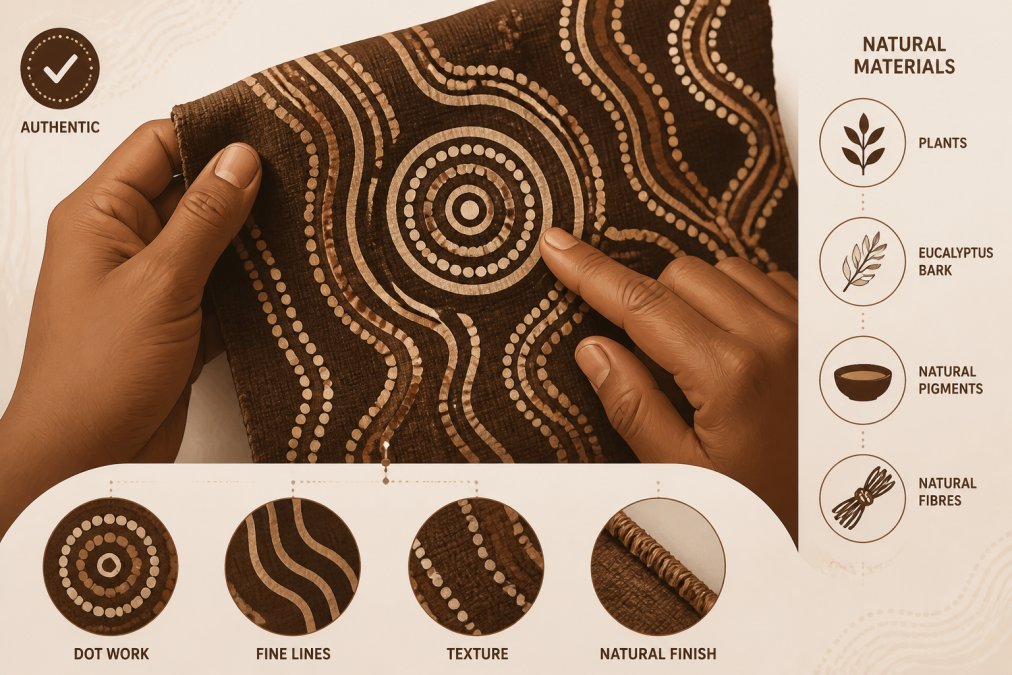
Third, cross-reference the business against trusted directories. Copyright Agency represents over 5,000 Aboriginal and Torres Strait Islander artists and facilitates ethical licensing agreements. Aboriginal Artists Agency Limited (AAA) handles reproductions across print, digital, and architectural mediums. If a seller is listed with either organisation, that's a strong authenticity signal.
For online shopping, look for businesses with physical presence or verifiable community connections. Many ethical Aboriginal art sellers operate galleries in major cities or maintain direct relationships with remote art centres. Businesses that exist only as faceless websites warrant scepticism.
Indigenous-Owned Art Businesses Worth Supporting
The most direct way to ensure your purchase supports Aboriginal artists is buying from Indigenous-owned businesses.
APY Art Centre Collective operates 100% Indigenous-owned galleries in Sydney, Melbourne, and Adelaide, plus an online store. They work directly with artists from the APY Lands, maximising income return to creators and their communities. Every artwork sold through APY is guaranteed original, authentic, and ethically sourced.
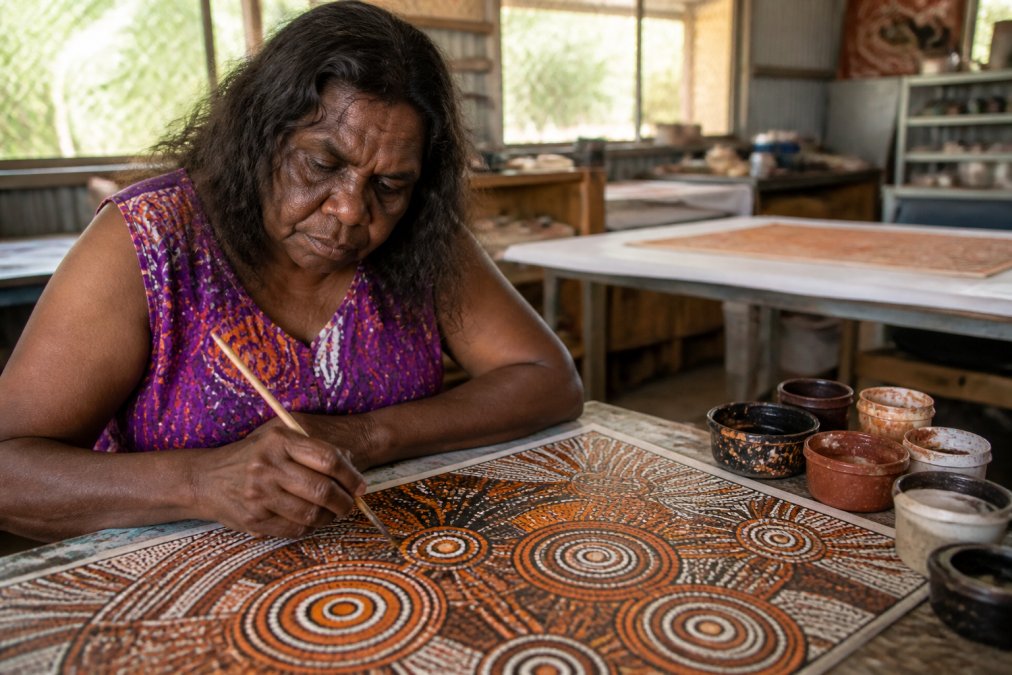
Dreamtimez Australia operates as a curated collection of authentic Indigenous products, from fashion to homewares, all licensed directly from artists with ongoing royalty agreements. Their model explicitly separates ethical sourcing from opportunistic reproduction. Every product carries artist attribution and transparent payment terms. The Fly Net Hat line directs proceeds to the Royal Flying Doctor Service alongside artist royalties, creating a dual-benefit model that supports both creators and essential outback services.
Dreamtimez Kullilla-Art is a 100% Aboriginal family-owned business offering artwork, bush tucker products, didgeridoos, homewares, and clothing. They're Supply Nation Registered and Indigenous Art Code signatories. Their physical shop in Brisbane provides in-person access, and their online store serves customers nationally.
For buyers seeking broader access to multiple artists, the National Indigenous Art Fair (NIAF) is an annual event featuring over 30 Indigenous art centres from across Australia. NIAF operates on a zero-commission model, with all sales going directly to the art centres. The fair includes live cultural programming, making it as much an educational experience as a shopping opportunity.
These businesses represent the bulurru alternative for Aboriginal art that actually works: direct artist ownership, transparent compensation, and cultural integrity baked into the business model.
Buying Aboriginal art ethically isn't complicated once you know what to look for. Check for artist names, verify payment structures, and prioritise Indigenous-owned businesses. Dreamtimez Australia makes this straightforward by licensing directly from artists and publishing their commitment to ongoing royalties. Arts Law Centre of Australia guidance for Indigenous artists on fair licensing and Copyright Agency's visual art licensing framework provide additional resources for understanding how ethical Aboriginal art commerce works. When you shop with businesses that prioritise artist relationships over profit margins, you're participating in cultural preservation and economic justice for the communities that created it.
Frequently Asked Questions
How can I identify authentic Aboriginal art and avoid counterfeit bulurru alternatives?
Authentic Aboriginal art comes with provenance documentation that names the artist, their community, and the story behind the work. Look for pieces sold through Indigenous Art Code signatories, direct artist relationships, or established art centres. Counterfeit work often lacks artist attribution, uses generic 'Aboriginal-inspired' designs, or avoids naming the creator. Ask sellers directly for the artist's name and background; legitimate sellers will provide this information readily. Check whether the business holds membership with the Indigenous Art Code or is registered with Supply Nation.
What is the Indigenous Art Code and how does it protect artists?
The Indigenous Art Code is a voluntary industry code of conduct setting ethical standards for dealings between art dealers and Aboriginal and Torres Strait Islander artists. It requires signatories to be transparent about artwork provenance, ensure fair pricing, and handle disputes through a formal complaints process. The Code protects artists by establishing clear guidelines for reproduction rights, preventing misappropriation, and building consumer confidence in authenticity. Dealers who sign the Code commit to providing a Code Certificate with artwork sales over a certain value, giving you assurance that the piece is genuine and the artist has been fairly compensated.
Why should I buy from Indigenous-owned art businesses instead of mainstream retailers?
Indigenous-owned businesses ensure that artists receive fair compensation and maintain control over how their work is presented and sold. When you buy directly from Indigenous art centres or Indigenous-owned retailers, a higher percentage of your purchase goes directly to the artist and their community. Mainstream retailers often take significant margins, reducing what reaches the creator. Indigenous-owned businesses also preserve cultural integrity by ensuring artworks are sold with proper context and respect for their significance, rather than being treated as generic décor. Supporting these businesses strengthens community economies and ensures that cultural knowledge remains in Indigenous hands.
What makes a bulurru alternative genuinely ethical and fair to artists?
An ethical alternative prioritises direct artist relationships, provides transparency about how much compensation artists receive, and respects cultural protocols around artwork reproduction and use. Look for businesses that name individual artists, explain the story and significance of each piece, and are signatories to the Indigenous Art Code. Fair alternatives also avoid mass-producing Indigenous designs without artist consent and do not appropriate sacred or culturally sensitive imagery. Ask sellers how they work with artists, whether they pay ongoing royalties, and whether they consult artists before licensing their work for new products. Businesses genuinely supporting artists will answer these questions openly.
How do I know if a retailer is actually supporting the Royal Flying Doctor Service or just using it as marketing?
Legitimate support is transparent and specific. Retailers should clearly state which products generate donations, how often donations are made, and ideally provide evidence of their partnership with the organisation. Look for official statements or links to the service's website confirming the partnership. Be cautious of vague claims like 'a portion of proceeds' without specifying which products or how often contributions occur. Trustworthy retailers publish regular updates about their charitable giving and may provide annual reports showing their community contributions. If a business claims to support the service but cannot provide concrete details about the partnership or donation mechanism, this is a red flag.
This article was written using GrandRanker